davidfcooper: (Default)
"Seventy-four years ago, nine years before the publication of The Second Sex and 20 years before The Feminine Mystique, a male Turkish communist novelist created a fictional feminist character who is the heroine of a love story that suggests an egalitarian heterosexual courtship can be based on honesty, candor, and mutual respect.

"Three quarters of a century after it was written Madonna in a Fur Coat by Sabahattin Ali feels both dated and timeless; dated because strong, independent women are no longer a rarity and contemporary gender roles are more fluid, and timeless as the ideal of a love without ulterior motives, the theme of missed opportunities, and the psychology of the principle characters—all of which are conveyed in crisp contemporary English by translators Maureen Freely and Alexander Dawe." -- From my review of Madonna in a Fur Coat in New York Journal of Books 

Madonna in a Fur Coat book cover
davidfcooper: (Default)
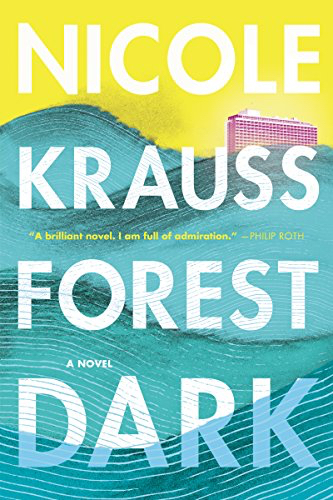
forestdarkbookcover"In writing her way out of a personal trial Krauss has expanded her range." -- from my review of Forest Dark by Nicole Krauss in New York Journal of Books
davidfcooper: (Default)
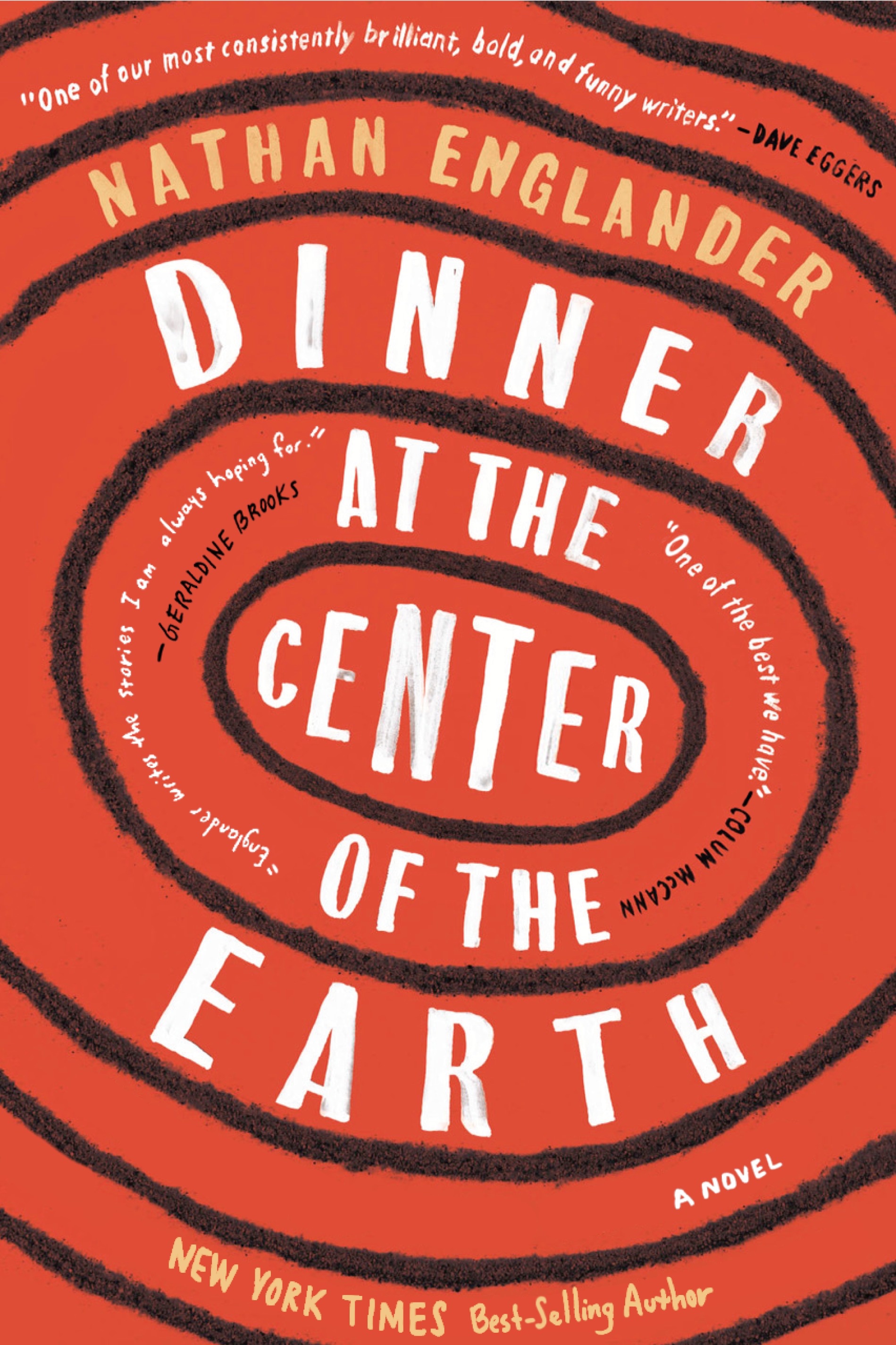
dinneratthecenteroftheearthbookcover

"In the book’s acknowledgements Englander thanks his editor for extracting the text of the novel from a much longer manuscript. The salvage operation feels uneven as a work of literature, but its ideas are worth engaging." -- from my review in New York Journal of Books
davidfcooper: (Default)
anegyptiannovelbookcover

"A recurring theme is how and to what extent characters recover from setbacks, displacement, and disappointments. Tel-Aviv, particularly north Tel-Aviv (an established affluent neighborhood in the later chapters/stories but new construction in the early ones) where the Kastil brothers and their families live, gives the book a sense of place." -- from my review of An Egyptian Novel by Orly Castel-Bloom in New York Journal of Books
davidfcooper: (Default)
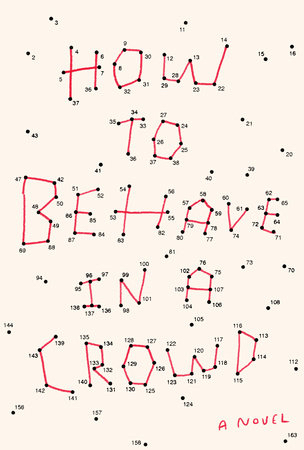
"How to Behave in a Crowd will resonate with readers who grew up in large intellectual families, but it should also appeal to fiction readers interested not only in families but in learning how to find fulfillment by balancing the life of the mind with life among others in the world outside oneself." -- from my review in New York Journal of Books 

There is so much more I could have said about this book, but revealing spoilers would diminish the pleasure I hope readers will find unraveling its details on their own.


davidfcooper: (Default)
"Though Moving Kings is considerably shorter and more accessible—with less erudite but nonetheless stimulating vocabulary, similes, and fewer stream of consciousness run-on sentences—than Cohen’s previous novel Book of Numbers (also reviewed on NYJB) it, too, skillfully weaves descriptive character portraits and plot lines into a novel of ideas that addresses issues as diverse as capitalism, gentrification, army veterans, the IDF’s conduct in the West Bank, and Jewish identity with sharp sardonic humor." -- from my review in New York Journal of Books


movingkingsbookcover

Also see Lit Hub's interview with Cohen about the novel
davidfcooper: (Default)
“like a sonnet whose beautiful lines are undermined by its flawed argument.” -- from my review of The Journal of Albion Midnight in New York Journal of Books


davidfcooper: (Default)


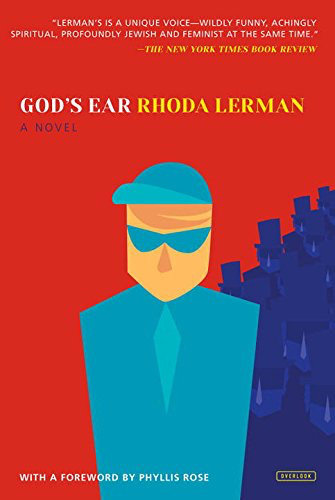
Lerman’s sense of humor has been compared to that of Philip Roth (who is three years her senior), but in God’s Ear the humor also employs the traditional Jewish irony and Eastern European Jewish folklore of Isaac Bashevis Singer, especially his short stories. Most of Lerman’s Hasidic folktales in God’s Ear are too long to quote, but the following paragraph gives a taste of her wit:

“Totte, you hear about the old Jew who walked into the SS recruiting office before the war? He comes in half-blind, crippled, palsied. He goes up to the Nazi recruiter and says, ‘I just came in to tell you, on me you shouldn’t count.’” -- from my review of God's Ear by Rhoda Lerman in New York Journal of Books


Throughout the book one can’t help admiring Assadi’s handsome prose, such as this excerpt from a page long paragraph:

“Sometimes I cannot locate any one night as if my life in New York were but a flood of nights. An eternal room of empty wine bottles, ashtrays overflowing, the maze of screeching trains, Laura at the window, Dylan and his parties, filled with fur and cocaine and moderate celebrity, and the cab rides home, the drunken swipes of credit cards with fifteen-dollar balances behind drivers whose faces I never remembered come morning, dinners with Laura alone, Thai food, not finishing our plates, ordering more to drink, someone at the piano, someone holding the guitar, strumming chords, singing songs, concerts in the beginning, neon flashing, rich acquaintances in Soho lofts, next stop Williamsburgh, living in the dark, living in the night, making it through the day only to afford the night.” -- from my review of Sonora by Hannah Lillith Assadi in New York Journal of Books 

davidfcooper: (headshot 01/18/07)


"At first glance Israeli novelist David Grossman’s new novel, A Horse Walks into a Bar, which as the title suggests recounts a stand-up comedian’s performance one evening at a night club in the coastal city Netanya, appears to be a complete change in tone and direction from his previous two fiction books To the End of the Land and Falling Out of Time (the latter reviewed on NYJB), emotionally heavy works that either indirectly or directly deal with parental grief.

"But initial appearances can be deceiving, and though the new novel is seasoned with jokes it is a serious work that addresses emotional pain as a source of all art, even a genre as coarse and vulgar as stand-up comedy." -- from my review in New York Journal of Books

"Ayelet Gundar-Goshen’s (One Night, Markovitch) second novel Waking Lions starts as a moral drama in its first 14 chapters and becomes a suspenseful crime thriller in its final 11. Its strength lies in its third person narration’s shifting perspectives that develop its characters’ backstories and dramatic situations in the first part and its page turning pacing in the second part, in which the novel’s unanswered questions are resolved." -- from my review in New York Journal of Books
davidfcooper: (headshot 01/18/07)
"With its universal themes of healing, recovery, creativity, and finding one’s vocation The Man Who Never Stopped Sleeping should engage the wide readership Appelfeld’s prose deserves. Readers may want to buy extra copies and donate them to VA hospitals." -- from my review in New York Journal of Books.
davidfcooper: (headshot 01/18/07)
recitationbookcover

"After two novellas translated into English (Nowhere to be Found, 2015 and A Greater Music, 2016, the latter reviewed in NYJB) South Korean post-modernist fiction writer Bae Suah and British translator Deborah Smith—who also translated A Greater Music and two novels by Han Kang (The Vegetarian and Human Acts)—return with an even more ambitious full length novel, Recitation, a novel of ideas with frequent philosophical digressions that further develops A Greater Music’s theme of living abroad while also addressing globalization, racial identity, and intolerance. It is a challenging yet cognitively engaging and rewarding read.

"... This is not a book for lazy readers; Bae expects us to show up ready to work. Her handsome prose, however, is never an obstacle.

"... Recitation will make Bae’s anglophone readers and other fans of post-modern fiction eagerly await the publication of more of her novels in English."
-- from my review in New York Journal of Books
davidfcooper: (headshot 01/18/07)
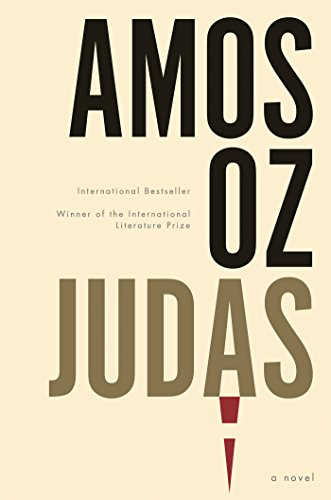
“For Oz’s fans and liberal Zionist fiction readers Judas is a required text whose writing is its own reward.” -- from my review of in New York Journal of Books

judasbookcover
davidfcooper: (headshot 01/18/07)
"Bae’s prose alternates between detailed descriptions of everyday life and ruminative passages on music, ideas, and her character’s mental state. The late American poet William Matthews once described his taste in literature as a preference for prosy poetry and poetic prose. A Greater Music exemplifies the latter category; it requires and amply rewards rereading." -- from my review in New York Journal of Books 

agreatermusicbookcover

davidfcooper: (headshot 01/18/07)

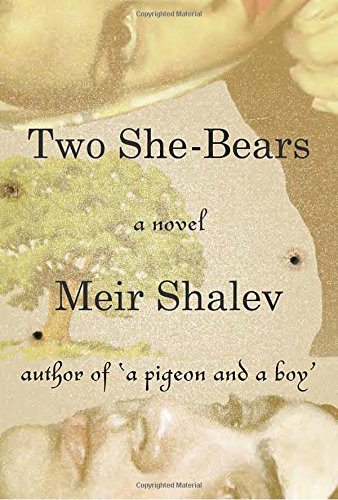
twoshebearscover

“Is a proclivity to violence and vengeance a gender and/or regional trait? Are the minds of men more than women and/or rural folk more than city dwellers predisposed to violent acts of revenge? Or put another way, are violence and vengeance intrinsic components of the male psyche, and if so are men more likely to resort to them in rural settings? These are the central questions posed by Israeli novelist Meir Shalev in his seventh novel Two She-Bears (in the original Hebrew Shtayim Dubim, Am Oved, 2013).” — the opening paragraph of my review in New York Journal of Books

davidfcooper: (headshot 01/18/07)

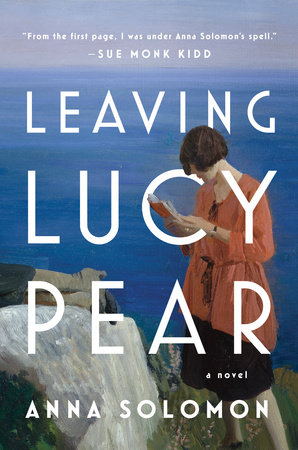
" Leaving Lucy Pear is recommended to readers who enjoy historical fiction, a cast of well developed mainly female characters, and handsome prose." -- from my review in New York Journal of Books

leavinglucypearbookcover.jpg

davidfcooper: (headshot 01/18/07)
The Lost Civilization of Suolucidir by Susan Daitch
The Lost Civilization of Suolucidir
by Susan Daitch

1532226

“After reading The Lost Civilization of Suolucidir readers will want to start over again to see what details they may have missed the first time through, and yes, this richly crafted and handsomely written novel rewards rereading. It also demonstrates that an ironic post-modern novel of ideas can be suspenseful and include complex characters readers can care about while feeling powerless to alter their fates.” — from my review of The Lost Civilization of Soulucidir by Susan Daitch in New York Journal of Books

Read an excerpt of the novel here.
davidfcooper: (headshot 01/18/07)
From Feb 2009 to July 2016 I wrote an irregular column on examiner.com in which addenda to my NYJB book reviews appeared. examiner.com closed in July 2016, and examiner links on my lj are now dead. I have copied and pasted most of my examiner columns to my Wordpress blog on the same dates as the corresponding lj posts.
davidfcooper: (headshot 01/18/07)

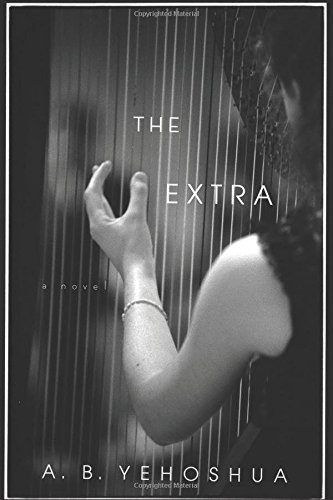
theextraabyehoshuaAbraham_Jehoshua_Yehoshua


"On the surface the new novel is about feminism and the right of women to choose not to bear children. But an underlying theme is whether liberal nationalism is an oxymoron, whether the rights of the individual (the essence of liberalism) can be reconciled with the needs of the nation." -- from my New York Journal of Books review of The Extra by Abraham B. Yehoshua. For an excerpt from the novel see my examiner article.

davidfcooper: (headshot 01/18/07)
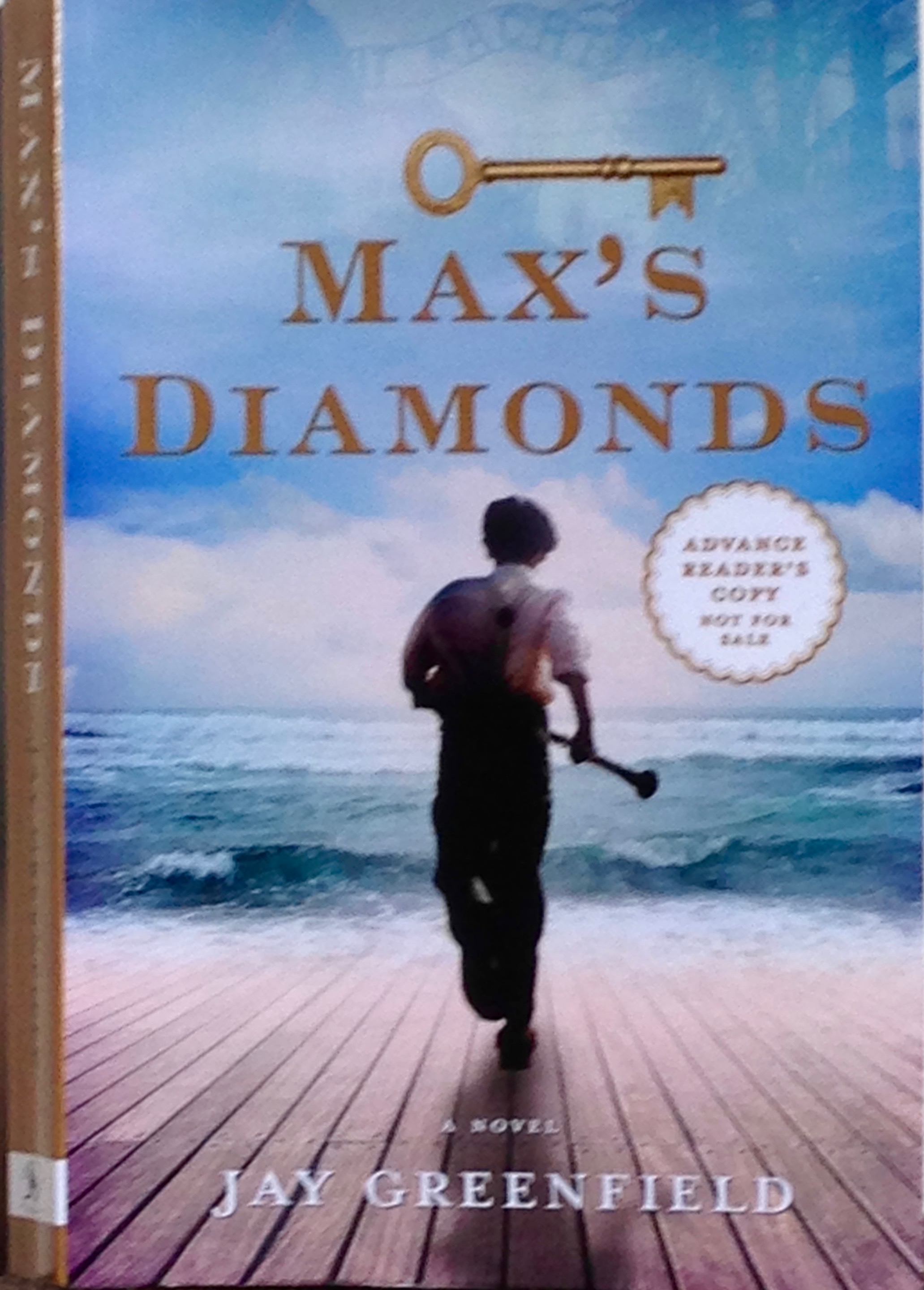
maxsdiamondsbookcover

"Max’s Diamonds, Jay Greenfield’s debut novel published last week by New York publisher Chickadee Prince Books, is a guilty pleasure, a book I enjoyed and could barely put down for its suspenseful serpentine plot despite its pedestrian and occasionally heavy-handed prose." -- From my examiner article. Also see my New York Journal of Books review, which concludes "with Max's Diamonds readers are rewarded with a fun and absorbing read whose fortuitous May publication date makes it a felicitous beach or airplane book."
davidfcooper: (headshot 01/18/07)
GluedToTheSkypulpbitscover

My poetry book Glued To The Sky is now also an audiobook. Glued To The Sky includes both narrative and lyric poems concerning group identity and gender issues in a wide variety of forms. Glued To The Sky was published by PulpBits in 2003. Sadly, PulpBits went out of business in 2007. An ebook version of Glued To The Sky in the pdf format can be downloaded at davidfcooper.com

Profile

davidfcooper: (Default)
davidfcooper

January 2022

S M T W T F S
      1
2345678
9101112131415
16171819202122
23242526 272829
3031     

Syndicate

RSS Atom

Most Popular Tags

Style Credit

Expand Cut Tags

No cut tags
Page generated Apr. 12th, 2026 11:47 pm
Powered by Dreamwidth Studios